
When is the right time to rebrand your business?
One of the most common questions we hear at Slagle Design is, “How do I know when it’s time to rebrand?”
The answer isn't always obvious. Many business owners assume they should wait until they completely hate their logo, their website feels embarrassing, or a competitor launches a shiny new identity. In reality, the best time to rebrand is usually when your business is already going through a major transition.
A rebrand isn't just about changing a logo. It's about aligning your visual identity with who you are today and where you're headed tomorrow. When done strategically, a rebrand becomes part of a larger investment you're already making in your business.
1. Rebrand When You're Making a Major Business Change
Some of the best opportunities for a rebrand happen when you're already spending money on other business improvements.
For example:
Moving into a new office, storefront, or commercial space
Opening a second location
Ordering new packaging or labels
Updating signage
Launching a new website
Printing new menus, brochures, or sales materials
Purchasing employee uniforms
Expanding into new markets or services
When these changes are happening anyway, the incremental cost of updating your brand is often surprisingly small.
Think about it this way: If you're already spending thousands of dollars on exterior signage, vehicle graphics, packaging, menus, uniforms, and marketing materials, the cost of refreshing the brand that appears on all those items becomes a relatively small portion of the overall investment.
Rather than paying to reproduce an outdated identity, you're investing in a stronger one that will serve your business for years to come.
2. The Side Hustle Has Become a Real Business
Another ideal time to rebrand is when your passion project starts becoming something bigger.
Many entrepreneurs begin with a DIY logo, a quick website, and branding created on a tight budget. That's often exactly the right decision in the beginning. But there comes a point when the business has outgrown those early decisions.
You've proven the concept.
Customers are responding.
Revenue is growing.
Now you're ready to make the leap from side hustle to full-time business.
At that stage, your brand should inspire the same level of confidence that your products and services already do.
Case Study: Hellbranch Cider Co.
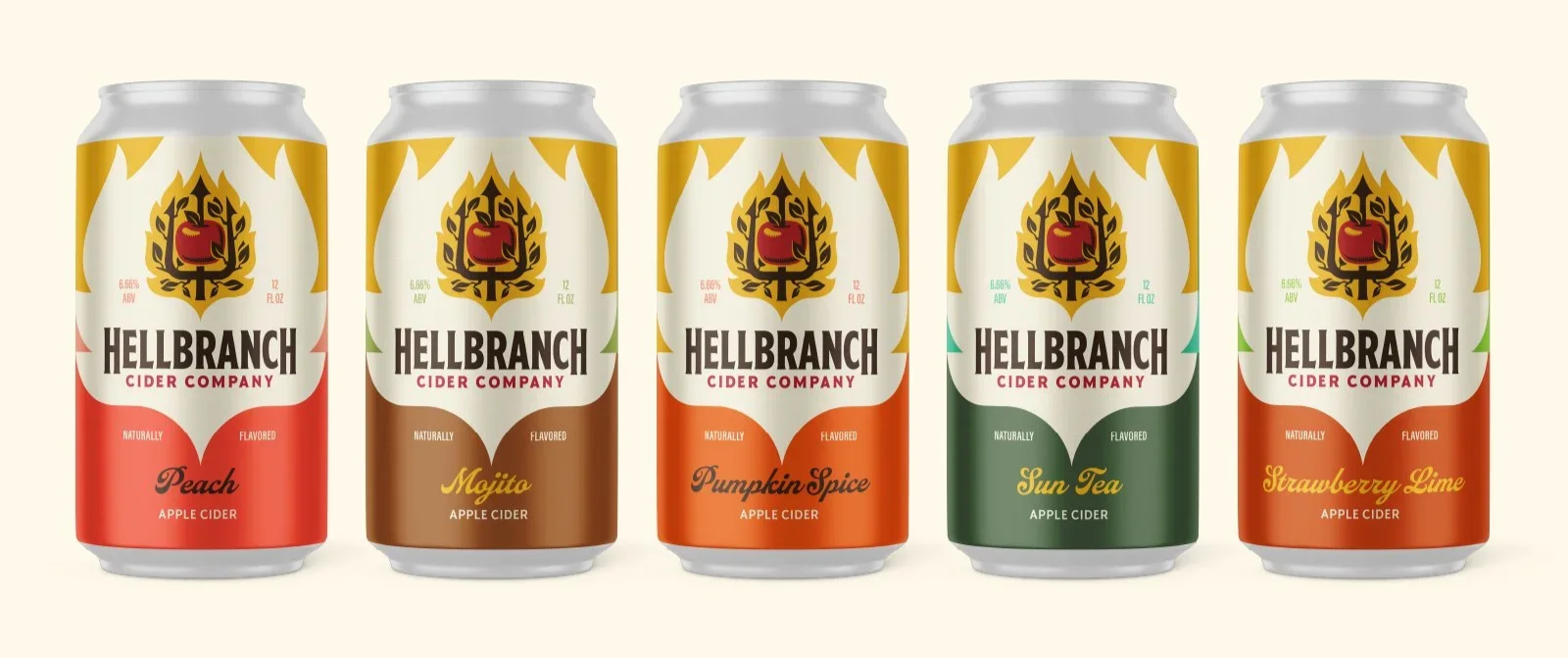
One of our favorite examples is Hellbranch Cider Company.
Owner James Wilson started making cider as a hobby while working in the insurance industry. Over time, that hobby evolved into a side hustle and eventually became his full-time business. When the company reached that next stage of growth, it needed a professional identity and packaging system that reflected the quality of the product and the vision for the future. Slagle Design helped create a complete brand identity and packaging system to support that transition.
This is a pattern we see repeatedly: the business changes first, then the brand catches up.
3. Your Brand Looks Outdated
Design trends change. Customer expectations change. Entire industries evolve.
A logo that looked modern ten years ago may unintentionally communicate that your business hasn't kept pace with the market. That doesn't mean every company needs a dramatic overhaul. In many cases, a thoughtful refresh can modernize an identity while preserving the equity you've built over time.
Case Study: Westwater Supply
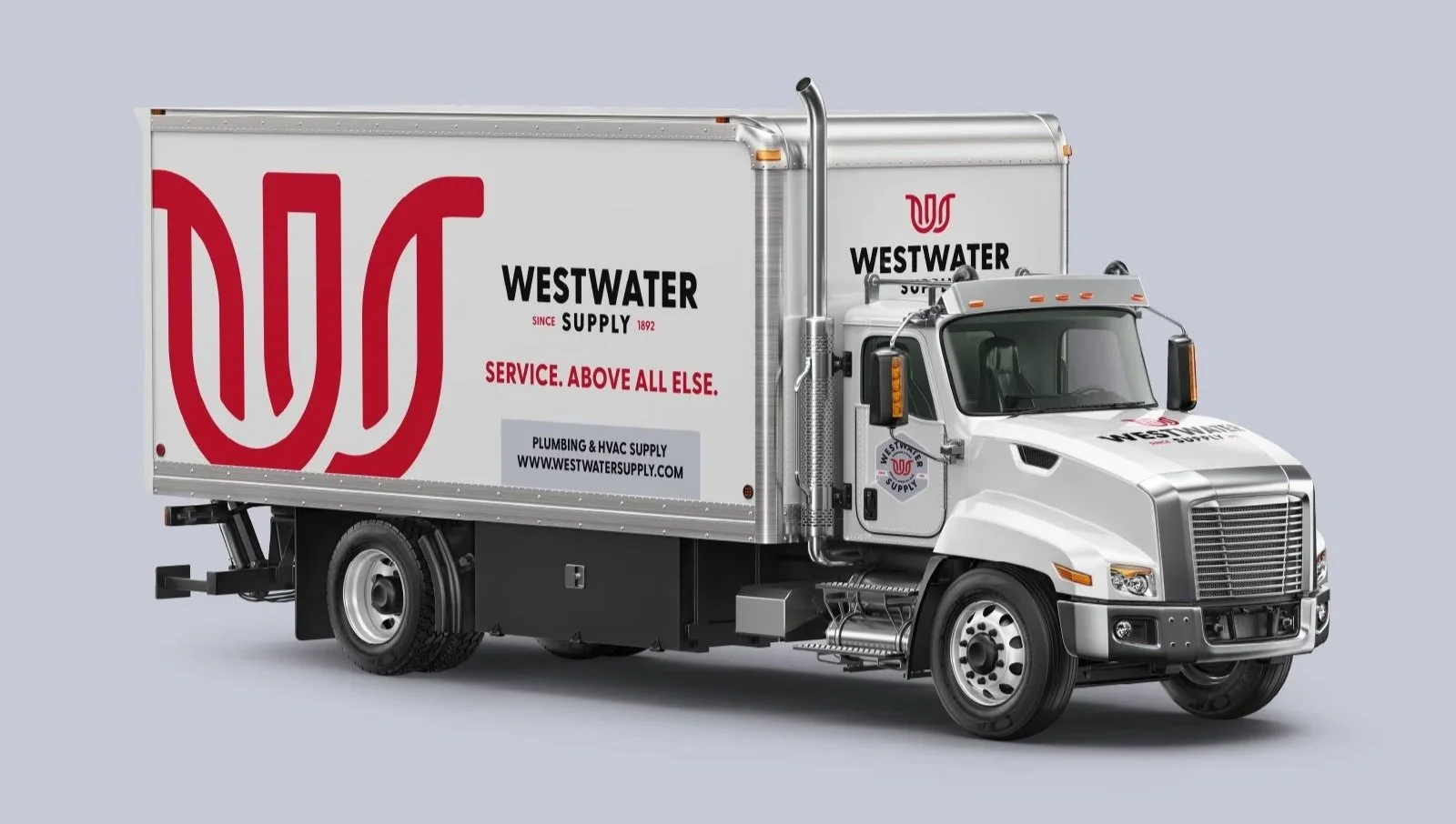
When Westwater Supply approached Slagle Design, they had been serving Ohio customers since 1892. Their goal wasn't to erase their history—it was to bring their visual identity up to current graphic and print standards while maintaining the trust and credibility they had earned over more than a century. The resulting rebrand positioned the company for the future while honoring its heritage.
The strongest rebrands don't abandon the past. They build upon it.
4. New Ownership, New Direction
A change in ownership often signals a change in vision.
Whether the business has been acquired, passed to a new generation, or brought under new leadership, a rebrand can help communicate what's changing—and what isn't.
A refreshed identity provides an opportunity to:
Clarify your mission
Refine your messaging
Introduce new services
Reach new audiences
Build excitement around the company's future
It creates a natural moment to tell your story again.
5. Celebrate a Major Milestone
Anniversaries can be powerful catalysts for change.
A 10-year, 25-year, 50-year, or even 100-year milestone gives companies a reason to pause, reflect, and ask an important question "Does our brand still represent who we've become?"
Customers already expect anniversary campaigns and special promotions. A refreshed brand can become part of that celebration, generating excitement among existing customers while attracting attention from entirely new audiences.
A Rebrand Is an Opportunity to Reintroduce Yourself
One of the most overlooked benefits of a rebrand is the conversation it creates.
A new identity gives your company a reason to reconnect with customers, generate media coverage, create social content, and share your story.
People naturally pay attention when something changes.
The key is ensuring the change reflects a meaningful evolution within the business itself.
The most successful rebrands aren't driven by boredom or trends. They're driven by growth.
So, When Is the Right Time to Rebrand?
The answer is simple: When your business has changed enough that your brand no longer reflects who you are.
If you're moving locations, ordering new packaging, expanding your services, hiring employees, transitioning from a side hustle to a full-time business, celebrating a major milestone, or simply realizing your brand feels dated, it may be the perfect moment.
Your brand should be a tool that helps your business grow—not something that's holding it back.
At Slagle Design, we've helped organizations of all sizes navigate these transitions, creating brands that honor where they've been while preparing them for where they're going next.
Because the best time to rebrand isn't when you're tired of your logo. It's when your business has become something bigger than the brand you started with.