
How to Choose the Right Graphic Design Studio for Your Small Business Branding
Your brand is one of the most valuable investments your small business will ever make.
A professionally developed brand doesn't just give you a better logo—it builds trust, differentiates you from competitors, attracts the right customers, and creates consistency across every interaction people have with your company.
But with thousands of graphic design studios and freelancers offering branding services, how do you know which one is the right fit?
Here are some important things to consider before hiring a graphic design studio for your small business.
1. Look Beyond the Logo
One of the biggest misconceptions about branding is that it's simply designing a logo. A logo is important—but it's only one piece of a much larger system. A professional branding studio should help you create a cohesive identity that works everywhere your customers encounter your business, including:
Your website
Social media
Business cards
Packaging
Signage
Advertising
Vehicle graphics
Trade show displays
Photography
Marketing materials
Branding begins with understanding your business, your audience, and what makes your company different. The visual identity is then built to support those business goals—not the other way around.
2. Choose Strategy Over Style
Many designers can create something attractive. Far fewer can explain why it works. Before hiring a studio, ask questions like:
What discovery process do you use?
How do you learn about my customers?
How do you differentiate brands in crowded markets?
What business problems are you trying to solve?
The best branding studios spend as much time asking questions as they do designing.
Successful design isn't about decoration—it's about solving business problems, building trust, and helping companies communicate more clearly.
3. Study Their Case Studies
Anyone can display beautiful portfolio images. Case studies reveal how a design studio thinks.
Look for projects that explain:
The client's challenge
The strategic approach
The design process
The final solution
The business impact
Here are a few examples from Slagle Design:
Snowville Creamery
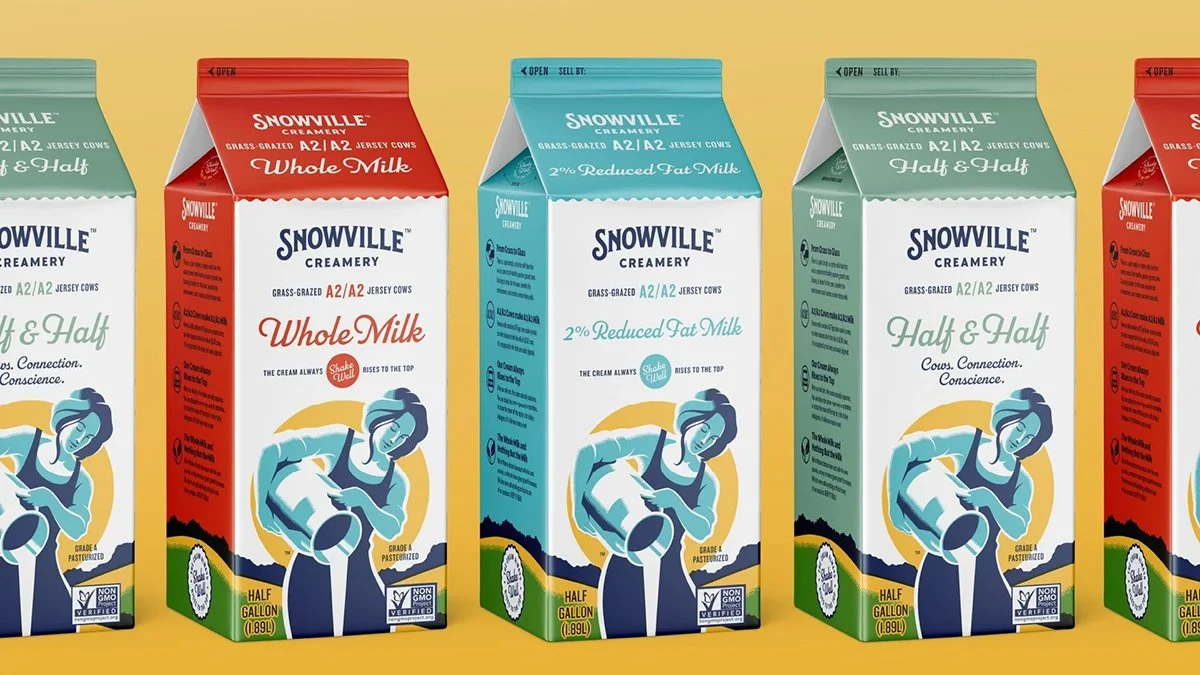
Snowville Creamery had built a loyal following through exceptional products, but its visual identity needed to evolve with the growing business. Rather than abandoning the equity customers already recognized, we modernized the brand while preserving its heritage. The resulting identity created a flexible branding system that could extend across packaging, retail, marketing, and future product lines. The client described the process as “educational and enriching” and said the final brand better connected their story to customers' hearts.
Pizza Nerds
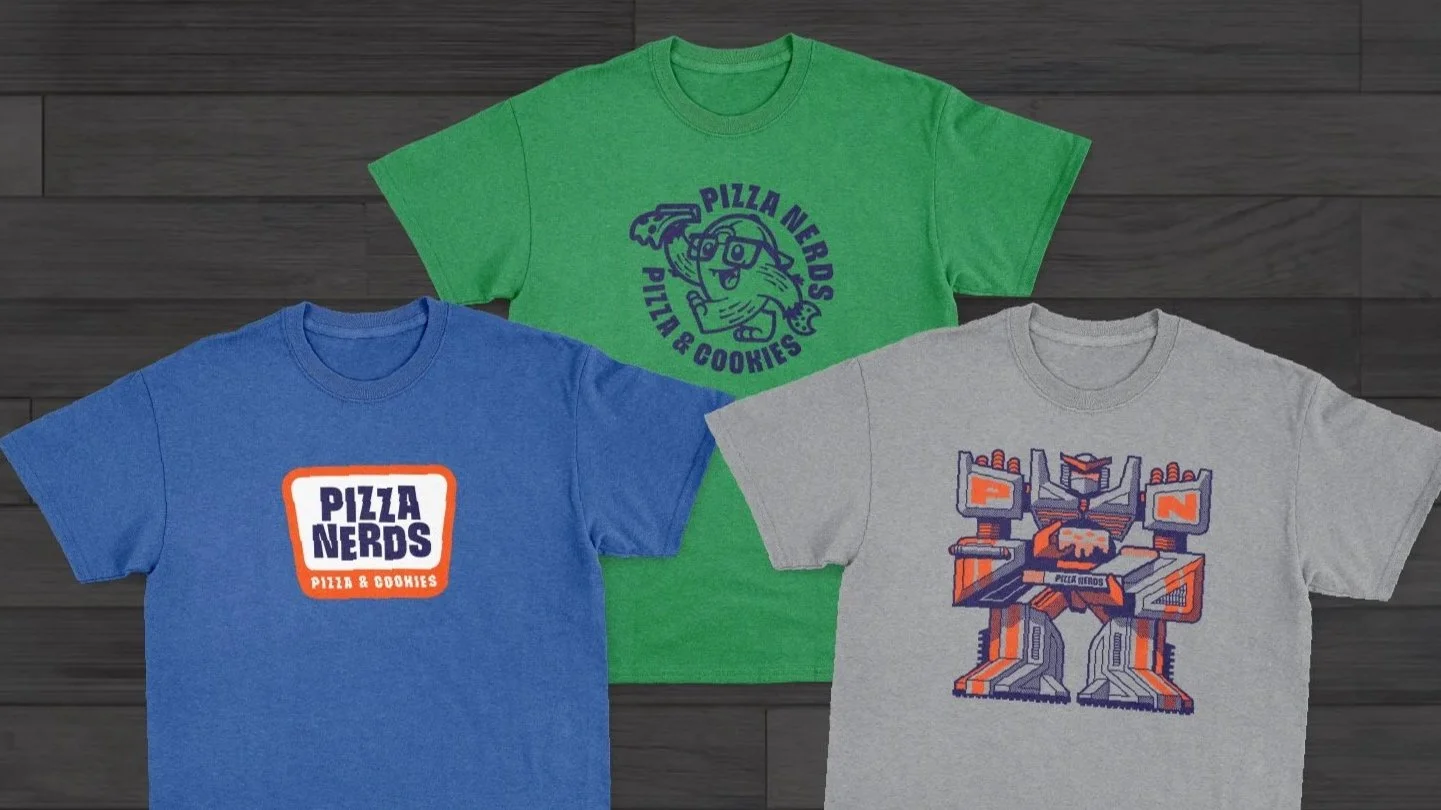
When Pizza Nerds needed a complete rebrand, the goal wasn't simply a new logo. The project focused on creating a memorable personality that reflected the owners' passion while standing apart in a competitive restaurant market. The result became a cohesive identity used consistently across signage, merchandise, menus, digital marketing, and customer experiences.
Bowman & Landes
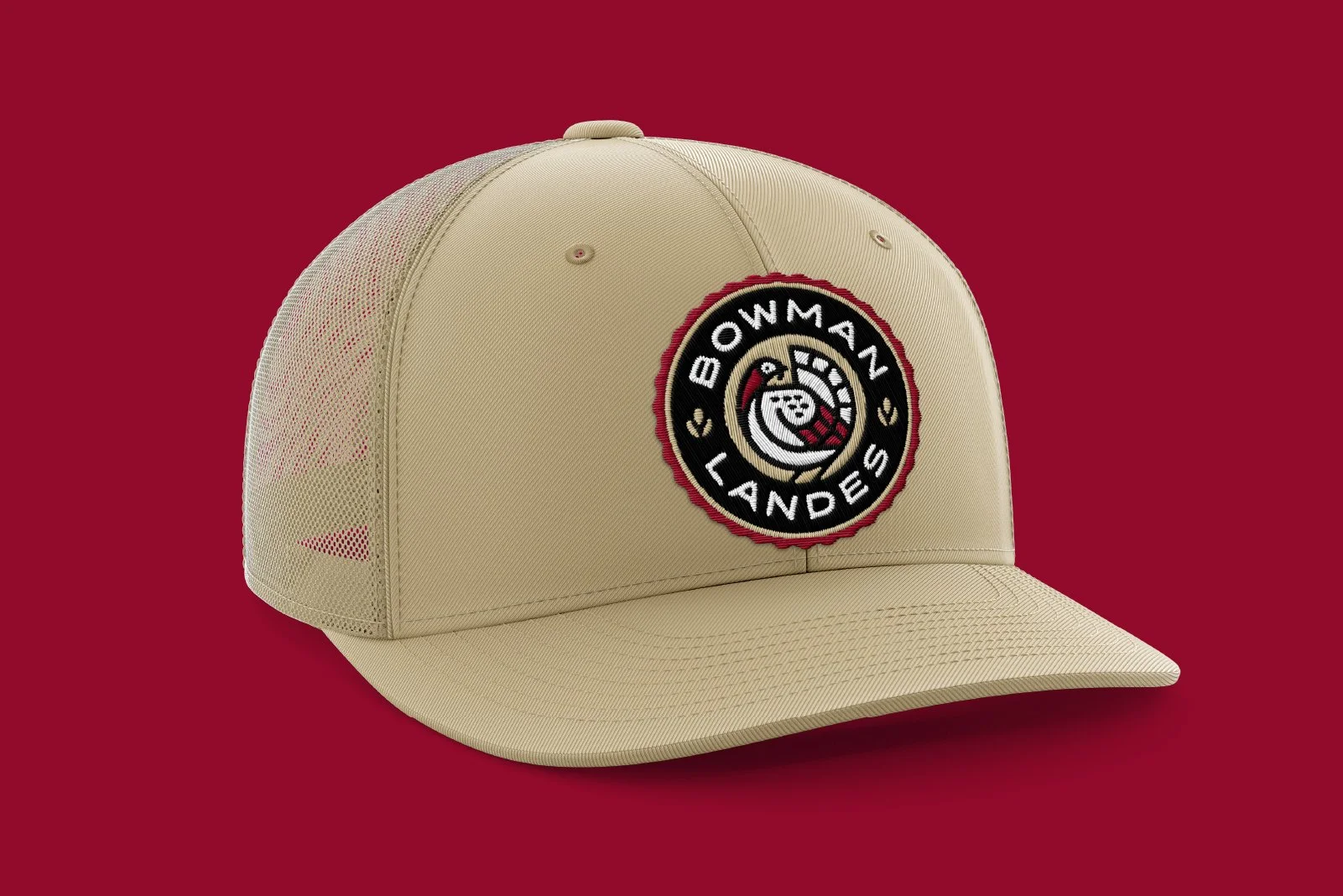
For the premium meat producer Bowman & Landes, the challenge was evolving an established brand without losing customer recognition. The redesigned identity became simpler, more refined, and easier to reproduce across packaging and labels while reinforcing the premium positioning expected by gourmet shoppers.
4. Experience Matters
Every industry has unique challenges. Food packaging has FDA regulations. Universities have multiple stakeholder groups. Retail brands require production knowledge. Athletic organizations need flexible systems that work across apparel, signage, merchandise, and digital platforms.
A design studio with experience across multiple industries brings broader problem-solving skills while understanding how branding functions in the real world.
Over the years, Slagle Design has partnered with organizations ranging from startups to nationally recognized brands, including Adobe, Target, LEGO, Major League Soccer, Snowville Creamery, The Ohio State University, Scotts Miracle-Gro, CoverMyMeds, as well as many growing small businesses.
5. Ask About Their Process
A strong branding project shouldn't feel improvised. Professional studios typically follow a repeatable process that includes:
Discovery and research
Brand strategy
Competitive analysis
Logo exploration
Identity development
Color palette
Typography
Brand standards
Applications across print and digital
Production-ready artwork
Understanding the process before work begins helps establish expectations, timelines, and deliverables for everyone involved.
6. Read Client Testimonials
The best indication of future success is often a client's previous experience. Pay attention to comments about:
Communication
Collaboration
Meeting deadlines
Strategic thinking
Long-term partnership
Overall business impact
One Capital University testimonial summarizes what many businesses hope for from a branding partner:
“We are so grateful to have Slagle Design as a client partner. Jeremy listens, is open-minded, creative, and encourages us to think in new ways. His attention to detail and his understanding of the impact that visuals and messages can have on different audiences is his ‘sixth sense’. Our brand was in need of some new energy and lift, and Jeremy took us in a much-needed direction!”
Another client, Preservation Parks of Delaware County, emphasized how the process itself created confidence:
“Jeremy always went above and beyond in our quest for a new logo! He listened to our entire team, he did his research and designed an amazing logo for Preservation Parks. He found a way to differentiate our growing park district from others and to put our mission in motion.”
7. Find a Studio That Can Grow With Your Business
Your branding project shouldn't be a one-time transaction.
As your business grows, you'll likely need:
Packaging
Illustration
Website updates
Advertising
Photography
Trade show displays
Environmental graphics
Brand guidelines
Marketing campaigns
Choosing a creative partner that understands your business from day one creates consistency and saves significant time on future projects.
8. Make Sure They're Invested in Education and Leadership
Great designers never stop learning. One sign of a strong creative partner is a commitment to sharing knowledge with others.
Jeremy Slagle regularly speaks on branding, creativity, and business through podcasts, workshops, Adobe collaborations, conference presentations, and industry events. Across those conversations, one theme consistently emerges: successful branding isn't about chasing trends—it's about understanding people, telling authentic stories, and creating work that serves both clients and their customers.
Choosing the right graphic design studio isn't about finding the lowest price or the flashiest portfolio.
It's about finding a team that takes the time to understand your business, asks thoughtful questions, communicates clearly, and builds a brand that will continue working for years to come.
The right branding partner will help you create more than a logo. They'll help you build trust, differentiate your business, connect with the right customers, and create a brand that grows alongside your company.
Because when strategy and creativity work together, branding becomes one of the smartest investments a small business can make.