
What to Consider When Selecting a Packaging Design Firm
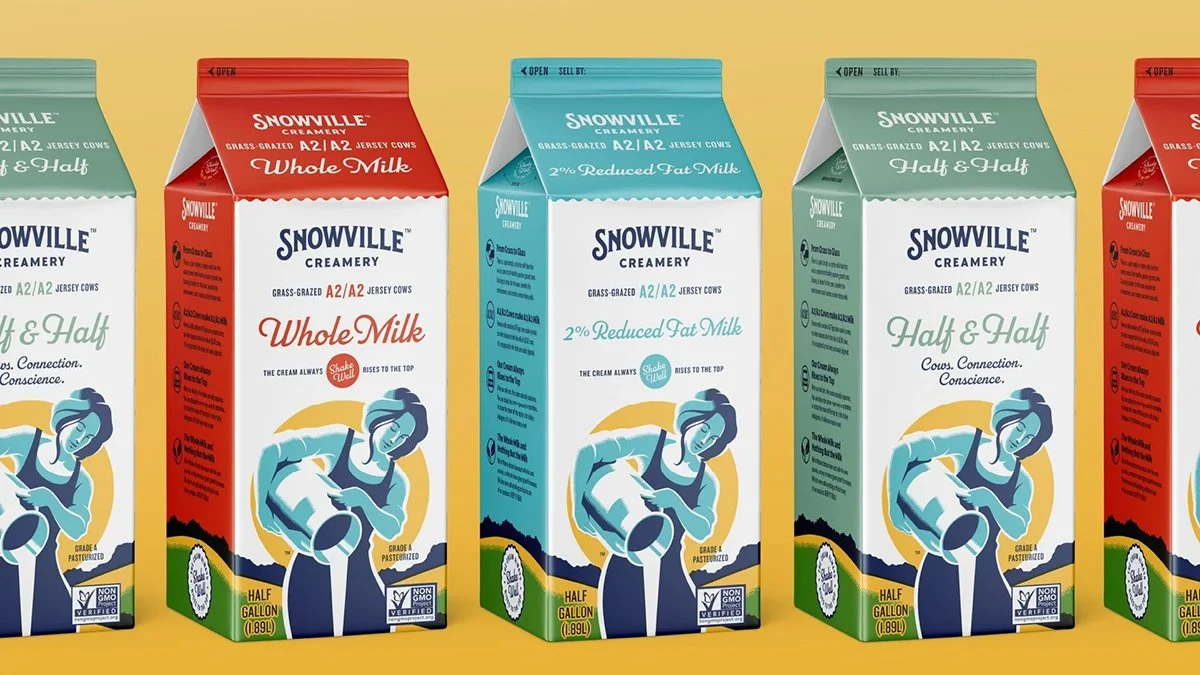
Choosing the right packaging design firm is one of the most important branding decisions your company will make. Your packaging is often the first physical interaction someone has with your brand. It needs to attract attention, communicate value, comply with regulations, survive manufacturing and shipping, and ultimately persuade someone to choose your product over dozens of competing options.
Unfortunately, many companies evaluate designers based solely on aesthetics. Beautiful packaging matters—but beautiful packaging that doesn't support your business goals is simply expensive artwork.
Here are the most important things to consider before hiring a packaging design agency.
1. Choose a Firm That Starts with Brand Strategy
The biggest mistake companies make is treating packaging as an isolated project.
Your package isn't your brand.
It's one expression of your brand.
A professionally designed package should feel like a natural extension of everything else your customer experiences:
Your logo
Website
Social media
Retail environment
Sales materials
Advertising
Vehicle graphics
Signage
Employee uniforms
When these elements work together, customers develop trust and recognize your company instantly.
Packaging created without an established brand identity often feels disconnected. As your company grows, these inconsistencies become expensive to fix.
At Slagle Design, every packaging project begins by understanding the larger brand system before a single package is designed. This creates consistency across every customer touchpoint while making future product launches faster and more cohesive.
2. Review Real Packaging Case Studies—Not Just Pretty Pictures
Every designer has attractive portfolio images. Far fewer can demonstrate how they solved real business challenges. Ask questions like:
How did the package improve shelf visibility?
Did it reduce production costs?
Was it easier to manufacture?
Did it simplify assembly or fulfillment?
How did it help position the product against competitors?
Look for complete case studies that explain the thinking behind the work—not just the finished design.
For example, Slagle Design has developed packaging systems for brands ranging from premium food products to consumer beverages.
Snowville Creamery
Snowville Creamery required a comprehensive rebrand that extended naturally into packaging while reinforcing its reputation for premium, locally produced dairy products. Rather than simply refreshing labels, the project established a unified visual language that strengthened recognition across multiple product categories while preserving the company's heritage.
Bowman & Landes
For Bowman & Landes, the challenge wasn't simply creating a better-looking package. The brand needed to appeal to gourmet shoppers willing to pay for premium quality. A simplified, refined identity was reproduced more clearly on packaging while elevating the perception of the products across retail environments.
Lift & Coast Sparkling Water
Packaging for Lift & Coast combined vibrant shelf appeal with a distinctive visual system that unified multiple flavors while helping communicate a modern, premium personality in an increasingly competitive beverage category.
3. Look for Commercial Results, Not Design Awards
Awards are nice. Sales are better. When evaluating a packaging design firm, ask:
What business problem were you solving?
What changed after launch?
Did retailers respond positively?
Were customers more engaged?
Did the new packaging support premium pricing?
Were timelines and budgets met?
The best packaging designers measure success by client outcomes rather than personal recognition.
4. Understand Their Design Process
Experienced packaging firms have a repeatable process. That process should include:
Discovery and research
Competitive analysis
Customer positioning
Brand strategy
Concept development
Packaging design
Production artwork
Printer collaboration
Final production approval
Ask exactly what you'll receive at the end of the project. Typical deliverables should include:
Adobe Illustrator production files
Print-ready PDFs
EPS files when appropriate
Dielines
Linked assets
Color specifications
Packaging guidelines
Organized file structure for future revisions
A clear process reduces surprises, minimizes delays, and creates a smoother experience for everyone involved.
5. Experience with Printers Is Essential
Packaging doesn't end when the artwork is approved. Professional package designers spend significant time collaborating with printers, converters, and manufacturers. Every packaging format has unique production requirements:
Folding cartons
Corrugated boxes
Pressure-sensitive labels
Flexible flow wrap
Shrink sleeves
Six-pack carriers
Retail displays
Shipping cartons
Each printing method also has its own limitations and opportunities:
Offset lithography
Flexographic printing
Digital printing
Screen printing
Foil stamping
Embossing
Spot UV
Specialty coatings
An experienced packaging designer understands these production processes and works directly with vendors to ensure the artwork is optimized before anything goes to press. That collaboration often saves clients thousands of dollars by avoiding costly production mistakes.
6. Make Sure They Understand Packaging Regulations
Packaging isn't just about design. It's also about compliance. Food, beverage, cosmetics, supplements, and health products all have specific regulatory requirements.
These can include:
Nutrition Facts panels
Ingredient declarations
Allergen statements
Barcode (UPC/GTIN) placement
Net contents
Required warning labels
Country-of-origin information
FDA labeling requirements
State-specific regulations
An experienced packaging designer understands how these requirements affect layout, hierarchy, typography, and production.
More importantly, they'll coordinate with your regulatory team, manufacturer, or co-packer to ensure everything is ready before production begins.
7. Ask for References
Any reputable packaging design firm should gladly provide references. Don't hesitate to ask former clients:
Was communication clear?
Did deadlines stay on schedule?
Were budgets respected?
Did the designer work well with printers?
Would you hire them again?
What measurable impact did the project have?
If possible, speak with someone in your own industry.
Their experience will often reveal more than any portfolio ever could.
8. Find a Partner—Not Just a Designer
The best packaging firms become long-term creative partners. As your business grows, you'll likely need:
New product launches
Seasonal packaging
Retail displays
Trade show materials
Sales collateral
Advertising
Brand guidelines
Website updates
Product photography
Illustration
Working with a team that understands your brand from the beginning creates consistency while saving time on future projects.
At Slagle Design, packaging is viewed as one piece of a much larger brand ecosystem. That philosophy has been a recurring theme throughout Jeremy Slagle's podcast interviews and speaking engagements, where he emphasizes that successful design solves business problems, builds trust, and creates long-term value—not simply attractive visuals.
Choosing a packaging design firm shouldn’t come down to who creates the flashiest mockups. Look for a partner who understands branding, manufacturing, printing, regulations, strategy, and commercial success.
The right package doesn't simply look good on the shelf. It communicates your story, earns customer trust, supports sales, and strengthens every other part of your brand. When those pieces work together, packaging becomes much more than a container—it becomes one of your company's most valuable marketing assets.